April 28, 2026
The Ultimate Guide to Single Tenant Net Lease (STNL) Development
Published in
Insights
•
3
minute read
Share this Post:
Share this Case Study:
Opportunity
Services Provided
Results
Discover the advantages of STNL development and how it can deliver stable, long-term returns for investors while supporting strategic growth for tenants.
Single Tenant Net Lease (STNL) development has emerged as one of the most attractive and resilient strategies in commercial real estate. Whether you're an investor seeking stable, passive income or a tenant looking to expand your footprint efficiently, this blog will help you understand the STNL model and make informed, strategic decisions.
In this guide, we break down everything you need to know about STNL development—from fundamentals and lease structures to site selection and the full development lifecycle—drawing insights from our decades of combined experience at CMK Properties.
Looking for quick answers to your questions? Jump ahead to our Frequently Asked Questions section below for a fast breakdown of key STNL concepts.
Quick Links
What is Single Tenant Net Lease (STNL) Development?
Why Does STNL Development Appeal to Investors?
Why Do Tenants Choose STNL Development?
Site Selection: The Foundation of Success in STNL
The Importance of a Predictable Development Process
What Are the Stages of an STNL Development?
What Makes STNL Different from Other Real Estate Investment Strategies?
STNL Frequently Asked Questions (FAQ)
A Partner for Your STNL Venture
What is Single Tenant Net Lease (STNL) Development?
Single Tenant Net Lease (STNL) refers to a commercial real estate development where one tenant occupies the entire property and is responsible for most, if not all, operating expenses, including property taxes, insurance, and maintenance.
This structure creates a streamlined investment model where landlords receive predictable income with minimal management responsibilities, while tenants gain long-term control over a customized space.
What is a Triple Net (NNN) Lease?
At the core of STNL properties is the triple net (NNN) lease structure. In this arrangement, tenants cover:
- Property taxes
- Insurance
- Maintenance and operating costs
For investors, this translates into reduced operational risk and consistent cash flow. For tenants, it offers greater autonomy over property operations and expenses.
NNN leases are typically long-term (10–20 years) and often include rent escalations, making them attractive for both income stability and inflation protection.
Why Does STNL Development Appeal to Investors?
STNL investments are widely recognized for their strong risk-adjusted returns and passive income potential. Key benefits include:
- Predictable Cash Flow: Long-term leases with creditworthy tenants provide steady, reliable income streams.
- Reduced Management Burden: With tenants handling most property expenses, investors avoid day-to-day operational responsibilities.
- Portfolio Diversification: STNL assets offer an alternative to traditional real estate sectors like multifamily or office.
- Credit-Backed Security: Many STNL leases are backed by national or regional brands, enhancing stability.
Why Do Tenants Choose STNL Development?
For tenants—especially growing brands—STNL development provides a strategic pathway to expansion. Three key advantages include:
- Build-to-Suit Flexibility: Tenants can design spaces tailored to their operational needs, branding, and customer experience.
- Capital Efficiency: Rather than tying up capital in real estate ownership, tenants can allocate resources toward business growth.
- Scalability: STNL partnerships allow brands to replicate successful models across multiple locations.
This is particularly valuable for national retailers and service-based businesses expanding into new markets.
What is the Role of Build-to-Suit Development in STNL?
A major component of STNL development is the build-to-suit (BTS) model, where developers construct a property specifically for a tenant’s needs before leasing it back under a long-term agreement.
Key Advantages of Build-to-Suit:
- Customized design and functionality
- Faster market entry for tenants
- Long-term lease security for investors
This alignment ensures that both parties benefit: tenants get optimized space, while investors minimize development risks.
Site Selection: The Foundation of Success in STNL
A high-performing STNL investment starts with selecting the right location. Strategic site selection directly impacts tenant success and investor returns.
Key Factors to Consider in Site Selection:
- Population density and growth trends
- Traffic patterns and visibility
- Household income levels
- Proximity to complementary businesses
- Accessibility and convenience
Strong locations drive customer traffic, support tenant profitability, and ultimately reduce vacancy risk.
The Importance of a Predictable Development Process
Consistency is critical in STNL development. A repeatable, data-driven process can help mitigate risks and ensure projects are delivered on time and within budget.
Key Elements of a Predictable STNL Development:
- Thorough due diligence
- Standardized underwriting criteria
- Proven development workflows
- Strong partnerships with tenants and contractors
For investors, this reduces uncertainty and development risks. For tenants, it ensures reliable execution and faster openings.
What Are the Stages of an STNL Development?
Understanding the full development lifecycle provides clarity on how STNL projects come together. At CMK Properties, our projects follow a standard process from start to finish:
- Site Identification & Acquisition: Developers identify high-potential locations based on data and market demand.
- Entitlements & Approvals: Zoning, permits, and regulatory approvals are secured.
- Design & Construction: The property is built to the tenant’s specifications.
- Lease Execution: A long-term lease agreement is finalized, often before construction is complete.
- Delivery & Operations: The tenant occupies the space and begins operations, while investors collect rental income.

Each phase is carefully managed to align investor returns with tenant success, creating a win-win scenario for all parties involved.
What Makes STNL Different from Other Real Estate Investment Strategies?
While there are many ways to invest in commercial real estate, few offer the same blend of stability, simplicity, and predictability as single-tenant net leases. Other asset types, such as multi-tenant retail centers, multifamily properties, and office buildings, tend to require more active management, carry higher operating costs, and experience more volatile cash flow.
Here’s how single-tenant assets compare:
- Multi-Tenant Retail: Requires managing multiple tenants and shared spaces, with income fluctuations tied to vacancies and turnover.
- Multifamily: Offers flexible rent adjustments but comes with intensive management, higher expenses, and sensitivity to local economic conditions.
- Office Buildings: Increasingly uncertain due to remote work trends, with complex leases and potentially long vacancies.
- Single-Tenant Net Leases: Provide long-term, predictable income with minimal landlord responsibilities and strong tenant backing—ideal for passive, stability-focused investors.
Examples of STNL Developments
CMK Properties has developed a notable portfolio of single-tenant assets across high-growth markets. Each project reflects our commitment to predictability, partnership, and long-term performance. Two examples include:
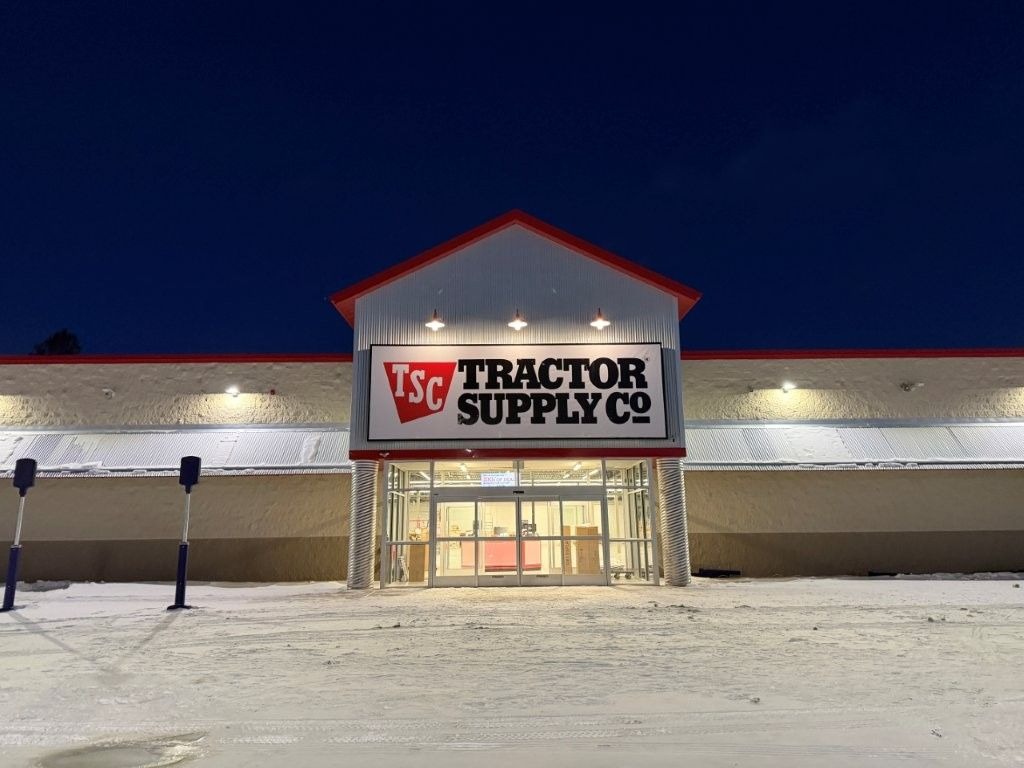
- Tractor Supply Co: CMK has partnered with one of America’s most trusted rural lifestyle retailers to deliver nearly a dozen high-quality build-to-suit locations that support their continued national expansion.
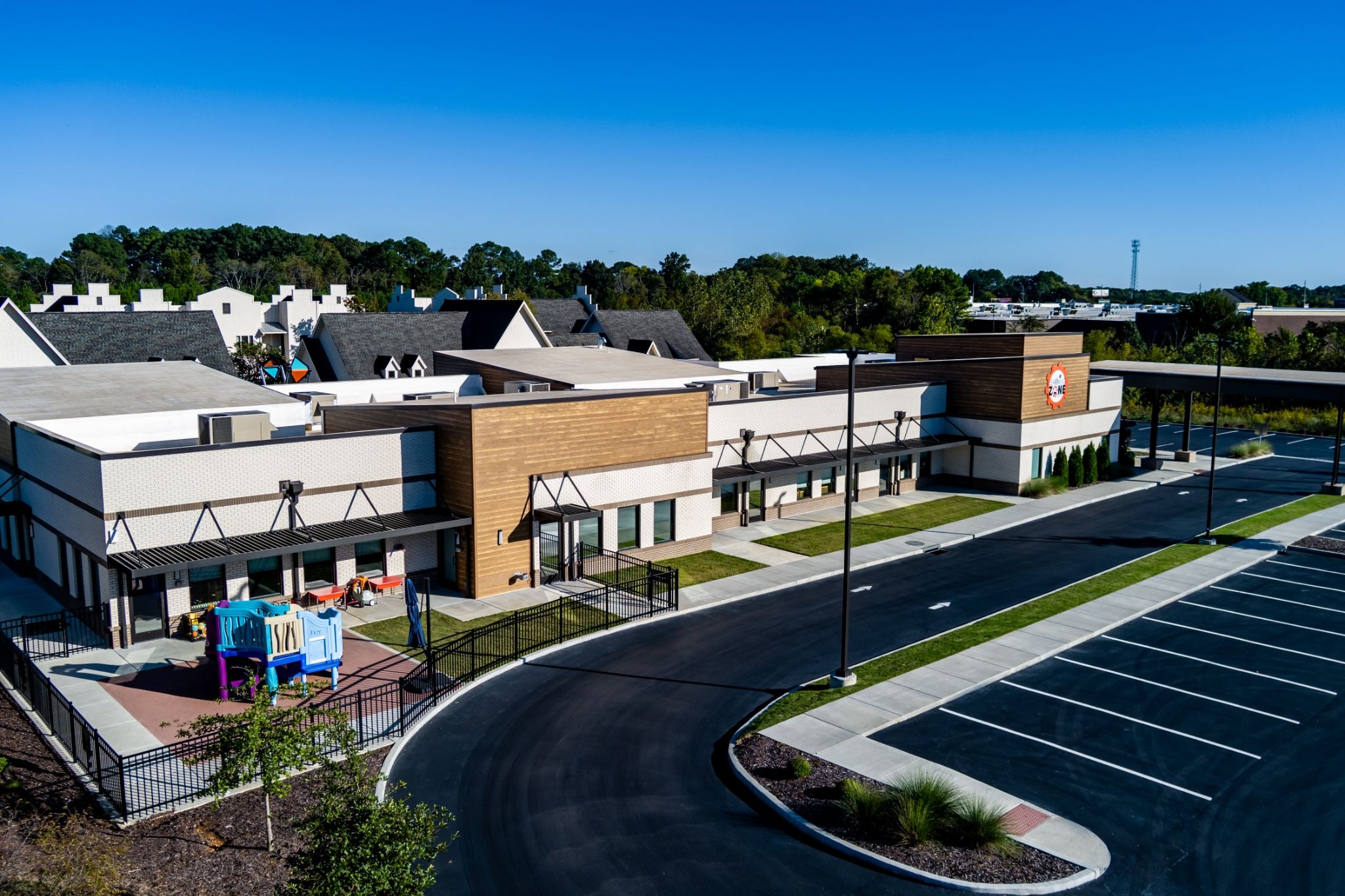
- The Learning Zone Early Education Centers: As demand for high-quality childcare facilities continues to grow, CMK has delivered multiple single-tenant developments across Nashville, TN and Huntsville, AL for this leading early childhood education provider.
These examples showcase CMK’s ability to execute programmatic, build-to-suit developments that serve essential industries—from retail to education—while creating predictable, passive income for investors.
STNL Frequently Asked Questions (FAQ)
What is a single-tenant net lease (STNL)?
A single-tenant net lease is a commercial real estate investment where one tenant occupies the entire property and is responsible for most operating expenses, such as taxes, insurance, and maintenance.
What is a triple net (NNN) lease?
A triple net lease is a common structure within STNL investments where the tenant pays property taxes, insurance, and maintenance costs in addition to rent.
Why do investors choose STNL properties?
Investors are drawn to STNL for its predictable cash flow, long-term leases, minimal management responsibilities, and reduced exposure to operational risk.
What are the benefits of STNLs for tenants?
Tenants benefit from customized build-to-suit spaces, long-term location stability, and the ability to allocate capital toward business growth instead of real estate ownership.
What types of tenants typically use STNL properties?
STNL properties are commonly leased by national and regional brands in sectors like retail, healthcare, childcare, and quick-service restaurants.
What makes a strong STNL investment?
Key factors include tenant creditworthiness, lease length, location quality, rent escalation structure, and overall market demand.
What makes STNL different from other real estate investment strategies?
STNL properties offer a unique combination of stable, long-term income and minimal management, unlike other asset types that involve higher costs and more operational complexity.
What are some examples of STNL developments?
CMK has developed build-to-suit STNL projects for tenants like Tractor Supply Co. and the Learning Zone, supporting expansion in high-growth markets such as Nashville and Huntsville.
Key Takeaways of STNLs
To recap, single tenant net lease developments offer a compelling opportunity for both investors and tenants:
- Investors gain stable, passive income with reduced development risk
- Tenants benefit from customized spaces and scalable growth opportunities
By combining strong lease structures, strategic site selection, and a disciplined development process, STNL continues to prove itself as a powerful vehicle for long-term value creation in the real estate landscape.
A Partner for Your STNL Venture
As CMK continues to expand our portfolio of single-tenant net lease developments, our focus remains on creating value and driving growth for our partners. For tenants, that means working with a developer who understands how to move projects from concept to opening day with clarity and efficiency. For investors, it means aligning with a team that understands how to deliver predictable outcomes and strong returns.
If you’re interested in learning more about investment or development opportunities, or joining our network of partners, contact our team to discover how CMK is building the next generation of single-tenant net lease assets for the nation’s leading brands.
